COPPER

A PS Audio Publication

Issue 147 • Free Online Magazine

Issue 147 FEATURED

Burt Bacharach, Part Two: Make Way for Dionne Warwick

Burt Bacharach, Part Two: Make Way for Dionne Warwick

Part One in Issue 146 covered Burt Bacharach’s early years, writing hits for artists like Jerry Butler, Gene McDaniels, Gene Pitney, and…the Five Blobs. The series continues here.

The work of Burt Bacharach and his lyricist partner Hal David is arguably best represented by their work with Dionne Warwick. In Warwick, they had a singer who could convincingly deliver David’s lyrics, while also handling the complex melodies Bacharach would deliver. It got to the point where they would write their most sophisticated tunes for Warwick.

Marie Dionne Warrick was born in 1940, coming from a musical family. Her mother’s family were members of the Drinkard Singers, a gospel group, and Warrick sang as part of the Gospelaires (which also included her aunt Cissy Houston). This led to background vocal work in recording studios in New York. At a session for The Drifters’ single “Mexican Divorce,” her voice was noticed by Bacharach. He and Hal David hired her to record demos of tunes they were composing, in order to pitch them to the record labels. One demo in particular was for a tune intended for The Shirelles, “It’s Love That Really Counts.” When Florence Greenberg, the president of Scepter Records, heard the demo, she insisted Warrick be signed to the label. A deal was worked out with Warrick joining Bacharach and David’s production company, which in turn was signed to Scepter.

Her first single, “Don’t Make Me Over,” supposedly came about after a small disagreement with Bacharach and David in the studio. They took that phrase and turned it into her first single. When Scepter printed the labels for the single, they mistakenly spelled her surname as Warwick. The name stuck, and she used the spelling professionally from that point forward.


“Anyone Who Had a Heart” was Warwick’s first Top 10 single and an international million seller.


The classic “Walk on By” followed in 1964. This is perhaps her signature tune with the Bacharach/David team. This one also made it into the Top 10, and gained further notoriety when Isaac Hayes took an edit of his own lengthy version up the charts five years later.


Here’s a song about suspicion, with a stop/start arrangement that adds the appropriate tension. This one did not chart highly for Warwick but is nonetheless an interesting tune.


“Do You Know the Way To San Jose” is a tale of a San Jose native who heads to Los Angeles, and having failed to make it big, is plotting her return home. Warwick never liked this song, yet she won her first Grammy with this record, and it was another international smash.


The stage musical Promises, Promises was based on an adaptation of the Billy Wilder film The Apartment, which starred Jack Lemmon and Shirley MacLaine. Bacharach and David wrote the music for the production. While this resulted in some fine music, the perfectionist Bacharach was long frustrated by the results of the music being performed live every night, and never being played the same way twice.


Another tune used in Promises became a hit single for Warwick: “I’ll Never Fall In Love Again.” Interesting piece of trivia – the phrase “You get enough germs to catch pneumonia” from the tune was an amusing little tweak by Hal David to Bacharach, who had fallen ill with pneumonia while writing music for the production.


One of Warwick’s best-known performances was yet another tune used in the production, “I Say A Little Prayer.” The beat on this track is infectious, which helped it climb to Number 4 on the Billboard Hot 100.


A quieter track by Warwick, this next one was not the typical romantic song, but a lament about the US involvement in the Vietnam War. This was not a big hit for Warwick. Hal David, however, had two sons approaching draft age, and it weighed on his mind when he wrote these lyrics.


Aside from Dionne Warwick’s success during this era, there were contemporaries of hers that recorded plenty of other great Bacharach/David tunes. We will examine a handful of those in the next installment.

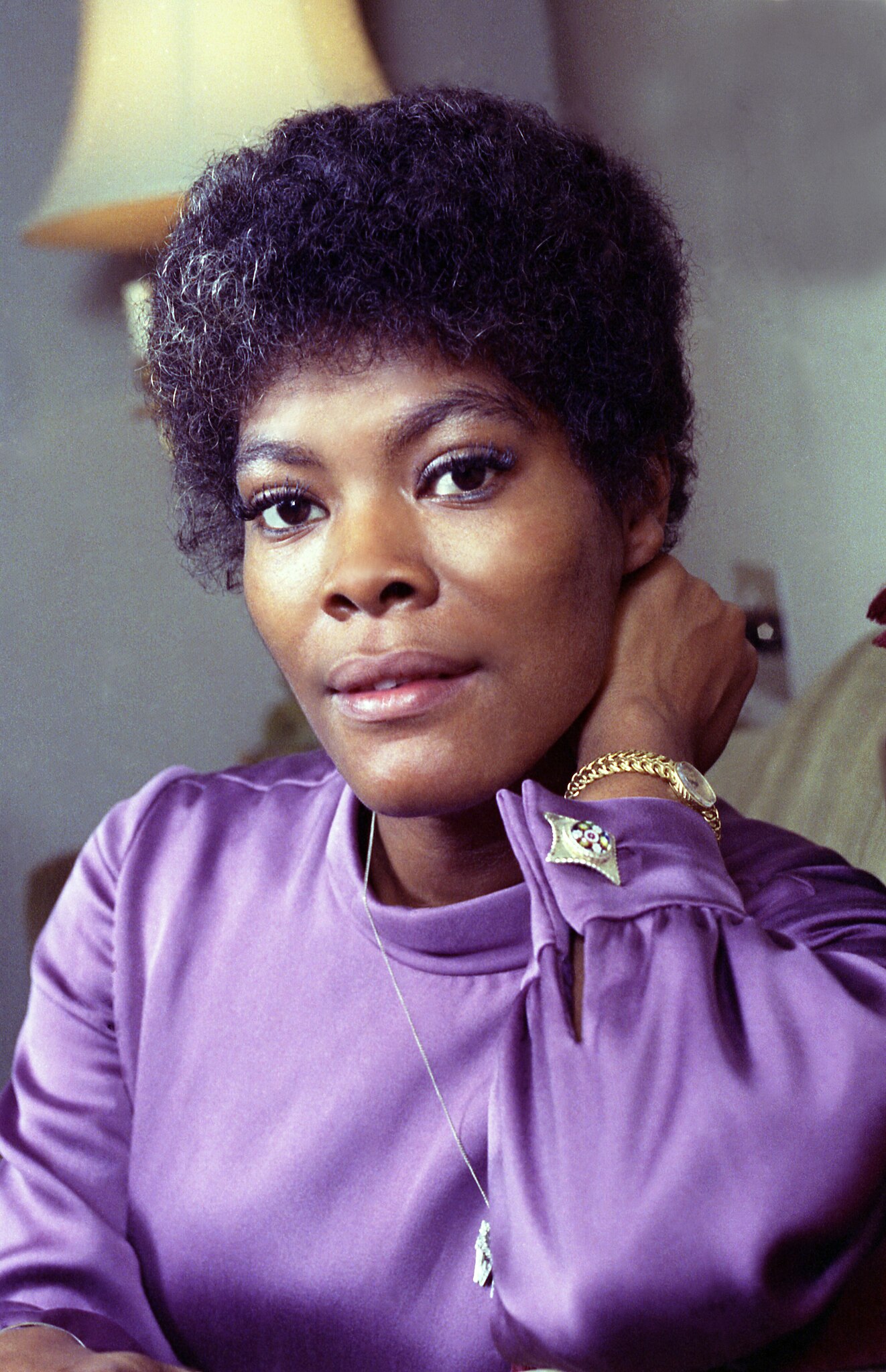
Header image of Dionne Warwick courtesy of Wikimedia Commons/Allan Warren.

More from Issue 147

View All Articles in Issue 147

Search Copper Magazine

#227 Seth Lewis Gets in the Groove With Take a Look Around: a Tribute to the Meters by Frank Doris Feb 02, 2026 #227 Passport to Sound: May Anwar’s Audio Learning Experience for Young People by Frank Doris Feb 02, 2026 #227 Conjectures on Cosmic Consciousness by B. Jan Montana Feb 02, 2026 #227 The Big Takeover Turns 45 by Wayne Robins Feb 02, 2026 #227 Music and Chocolate: On the Sensory Connection by Joe Caplan Feb 02, 2026 #227 Singer/Songwriter Chris Berardo: Getting Wilder All the Time by Ray Chelstowski Feb 02, 2026 #227 The Earliest Stars of Country Music, Part One by Jeff Weiner Feb 02, 2026 #227 The Vinyl Beat Goes Down to Tijuana (By Way of Los Angeles), Part Two by Rudy Radelic Feb 02, 2026 #227 How to Play in a Rock Band, 20: On the Road With Blood, Sweat & Tears’ Guitarist Gabe Cummins by Frank Doris Feb 02, 2026 #227 From The Audiophile’s Guide: Audio Specs and Measuring by Paul McGowan Feb 02, 2026 #227 Our Brain is Always Listening by Peter Trübner Feb 02, 2026 #227 PS Audio in the News by PS Audio Staff Feb 02, 2026 #227 The Listening Chair: Sleek Style and Sound From the Luxman L3 by Howard Kneller Feb 02, 2026 #227 The Los Angeles and Orange County Audio Society Celebrates Its 32nd Anniversary, Honoring David and Sheryl Lee Wilson and Bernie Grundman by Harris Fogel Feb 02, 2026 #227 Back to My Reel-to-Reel Roots, Part 26: Half Full – Not Half Empty, Redux by Ken Kessler Feb 02, 2026 #227 That's What Puzzles Us... by Frank Doris Feb 02, 2026 #227 Record-Breaking by Peter Xeni Feb 02, 2026 #227 The Long and Winding Road by B. Jan Montana Feb 02, 2026 #226 JJ Murphy’s Sleep Paralysis is a Genre-Bending Musical Journey Through Jazz, Fusion and More by Frank Doris Jan 05, 2026 #226 Stewardship by Consent by B. Jan Montana Jan 05, 2026 #226 Food, Music, and Sensory Experience: An Interview With Professor Jonathan Zearfoss of the Culinary Institute of America by Joe Caplan Jan 05, 2026 #226 Studio Confidential: A Who’s Who of Recording Engineers Tell Their Stories by Frank Doris Jan 05, 2026 #226 Pilot Radio is Reborn, 50 Years Later: Talking With CEO Barak Epstein by Frank Doris Jan 05, 2026 #226 The Vinyl Beat Goes Down to Tijuana (By Way of Los Angeles), Part One by Rudy Radelic Jan 05, 2026 #226 Capital Audiofest 2025: Must-See Stereo, Part Two by Frank Doris Jan 05, 2026 #226 My Morning Jacket’s Carl Broemel and Tyler Ramsey Collaborate on Their Acoustic Guitar Album, Celestun by Ray Chelstowski Jan 05, 2026 #226 The People Who Make Audio Happen: CanJam SoCal 2025, Part Two by Harris Fogel Jan 05, 2026 #226 How to Play in a Rock Band, 19: Touring Can Make You Crazy, Part One by Frank Doris Jan 05, 2026 #226 Linda Ronstadt Goes Bigger by Wayne Robins Jan 05, 2026 #226 From The Audiophile’s Guide: Active Room Correction and Digital Signal Processing by Paul McGowan Jan 05, 2026 #226 PS Audio in the News by Frank Doris Jan 05, 2026 #226 Back to My Reel-to-Reel Roots, Part 25: Half-Full, Not Empty by Ken Kessler Jan 05, 2026 #226 Happy New Year! by Frank Doris Jan 05, 2026 #226 Turn It Down! by Peter Xeni Jan 05, 2026 #226 Ghost Riders by James Schrimpf Jan 05, 2026 #226 A Factory Tour of Audio Manufacturer German Physiks by Markus "Marsu" Manthey Jan 04, 2026 #225 Capital Audiofest 2025: Must-See Stereo, Part One by Frank Doris Dec 01, 2025 #225 Otis Taylor and the Electrics Delivers a Powerful Set of Hypnotic Modern Blues by Frank Doris Dec 01, 2025 #225 A Christmas Miracle by B. Jan Montana Dec 01, 2025 #225 T.H.E. Show New York 2025, Part Two: Plenty to See, Hear, and Enjoy by Frank Doris Dec 01, 2025 #225 Underappreciated Artists, Part One: Martin Briley by Rich Isaacs Dec 01, 2025 #225 Rock and Roll is Here to Stay by Wayne Robins Dec 01, 2025 #225 A Lifetime of Holiday Record (and CD) Listening by Rudy Radelic Dec 01, 2025 #225 Little Feat: Not Saying Goodbye, Not Yet by Ray Chelstowski Dec 01, 2025 #225 How to Play in a Rock Band, Part 18: Dealing With Burnout by Frank Doris Dec 01, 2025 #225 The People Who Make Audio Happen: CanJam SoCal 2025 by Harris Fogel Dec 01, 2025 #225 Chicago’s Sonic Sanctuaries: Four Hi‑Fi Listening Bars Channeling the Jazz‑Kissa Spirit by Olivier Meunier-Plante Dec 01, 2025

Burt Bacharach, Part Two: Make Way for Dionne Warwick

Burt Bacharach, Part Two: Make Way for Dionne Warwick

Part One in Issue 146 covered Burt Bacharach’s early years, writing hits for artists like Jerry Butler, Gene McDaniels, Gene Pitney, and…the Five Blobs. The series continues here.

The work of Burt Bacharach and his lyricist partner Hal David is arguably best represented by their work with Dionne Warwick. In Warwick, they had a singer who could convincingly deliver David’s lyrics, while also handling the complex melodies Bacharach would deliver. It got to the point where they would write their most sophisticated tunes for Warwick.

Marie Dionne Warrick was born in 1940, coming from a musical family. Her mother’s family were members of the Drinkard Singers, a gospel group, and Warrick sang as part of the Gospelaires (which also included her aunt Cissy Houston). This led to background vocal work in recording studios in New York. At a session for The Drifters’ single “Mexican Divorce,” her voice was noticed by Bacharach. He and Hal David hired her to record demos of tunes they were composing, in order to pitch them to the record labels. One demo in particular was for a tune intended for The Shirelles, “It’s Love That Really Counts.” When Florence Greenberg, the president of Scepter Records, heard the demo, she insisted Warrick be signed to the label. A deal was worked out with Warrick joining Bacharach and David’s production company, which in turn was signed to Scepter.

Her first single, “Don’t Make Me Over,” supposedly came about after a small disagreement with Bacharach and David in the studio. They took that phrase and turned it into her first single. When Scepter printed the labels for the single, they mistakenly spelled her surname as Warwick. The name stuck, and she used the spelling professionally from that point forward.


“Anyone Who Had a Heart” was Warwick’s first Top 10 single and an international million seller.


The classic “Walk on By” followed in 1964. This is perhaps her signature tune with the Bacharach/David team. This one also made it into the Top 10, and gained further notoriety when Isaac Hayes took an edit of his own lengthy version up the charts five years later.


Here’s a song about suspicion, with a stop/start arrangement that adds the appropriate tension. This one did not chart highly for Warwick but is nonetheless an interesting tune.


“Do You Know the Way To San Jose” is a tale of a San Jose native who heads to Los Angeles, and having failed to make it big, is plotting her return home. Warwick never liked this song, yet she won her first Grammy with this record, and it was another international smash.


The stage musical Promises, Promises was based on an adaptation of the Billy Wilder film The Apartment, which starred Jack Lemmon and Shirley MacLaine. Bacharach and David wrote the music for the production. While this resulted in some fine music, the perfectionist Bacharach was long frustrated by the results of the music being performed live every night, and never being played the same way twice.


Another tune used in Promises became a hit single for Warwick: “I’ll Never Fall In Love Again.” Interesting piece of trivia – the phrase “You get enough germs to catch pneumonia” from the tune was an amusing little tweak by Hal David to Bacharach, who had fallen ill with pneumonia while writing music for the production.


One of Warwick’s best-known performances was yet another tune used in the production, “I Say A Little Prayer.” The beat on this track is infectious, which helped it climb to Number 4 on the Billboard Hot 100.


A quieter track by Warwick, this next one was not the typical romantic song, but a lament about the US involvement in the Vietnam War. This was not a big hit for Warwick. Hal David, however, had two sons approaching draft age, and it weighed on his mind when he wrote these lyrics.


Aside from Dionne Warwick’s success during this era, there were contemporaries of hers that recorded plenty of other great Bacharach/David tunes. We will examine a handful of those in the next installment.

Header image of Dionne Warwick courtesy of Wikimedia Commons/Allan Warren.
0 comments

Leave a comment

0 Comments

Your avatar

Loading comments...

🗑️ Delete Comment

Enter moderator password to delete this comment:

✏️ Edit Comment

Enter your email to verify ownership: